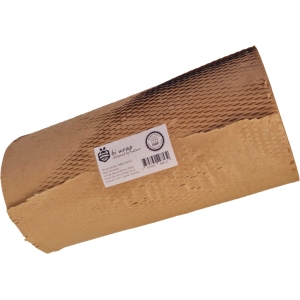


How Honeycomb paper changes the packing workflow

Honeycomb paper is more than a sustainable alternative to plastic wrap. It changes the way packing teams work by making protection faster, cleaner, and easier to manage.
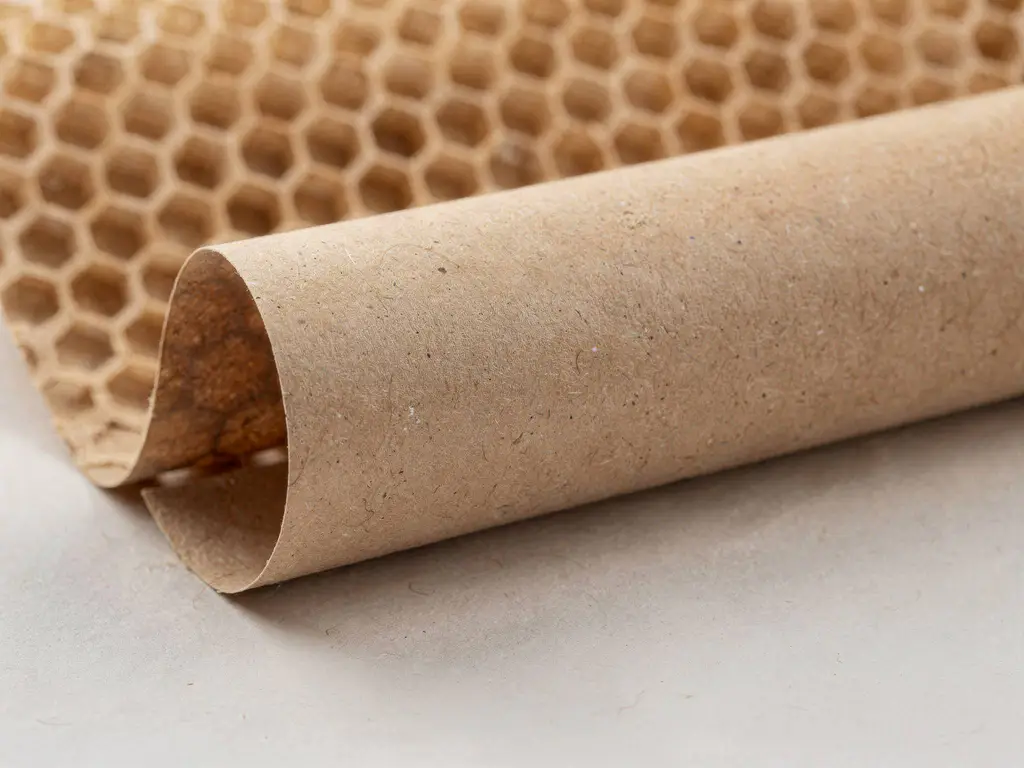
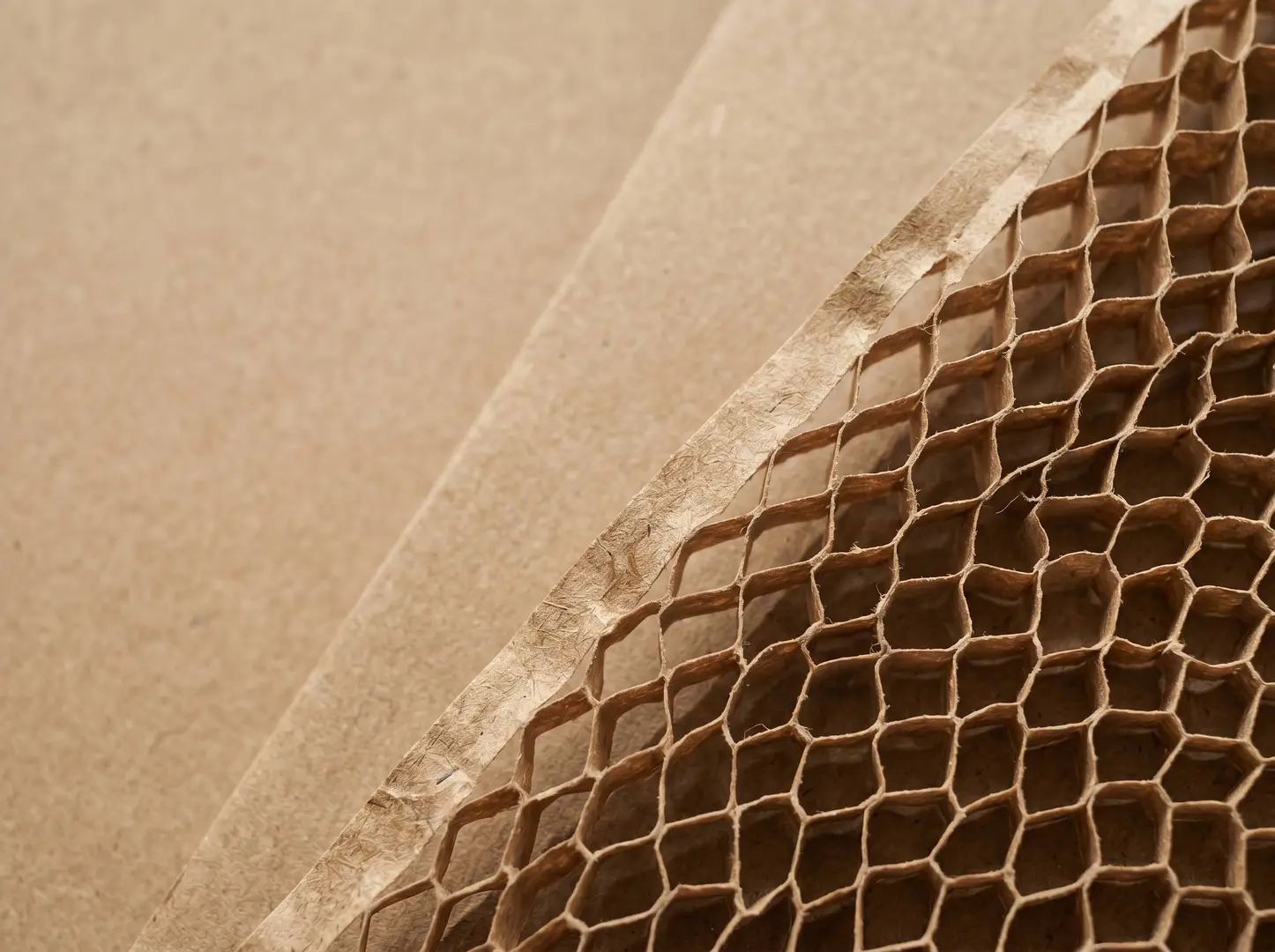
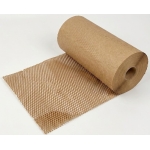
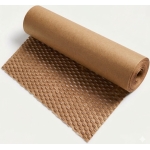
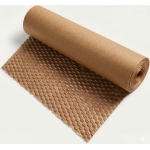
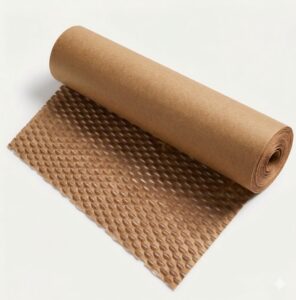
When the paper is stretched, the honeycomb structure opens into a protective layer that cushions products and keeps them stable in transit. That means less tape, less waste, and a more premium unboxing experience.
Why the workflow improves
Traditional packing often depends on separate materials, extra tools, and more movement around the packing station. Honeycomb paper simplifies that by combining wrapping and protection in one step.
It can be torn by hand, shaped around products, and used without scissors or heavy equipment. For busy teams, that saves time and keeps the process more consistent.
The result is a smoother workflow that is easy to teach, easy to repeat, and better for both the customer and the environment.
The business case
Honeycomb paper supports modern brands that want to present themselves as efficient and responsible at the same time. It works especially well for e-commerce, fulfilment, gifting, and B2B shipping.
Because it is paper-based, recyclable, and visually clean, it fits into premium packaging systems without looking industrial or disposable. That makes it useful not only as a protection layer, but also as part of brand presentation.
For teams that process many orders per day, the workflow benefit is just as important as the sustainability benefit.
Honeycomb paper helps teams pack faster, protect products better, and cut down on plastic. It is a simple change with a visible impact on daily operations.
If you want a packaging system that is practical, sustainable, and ready for modern shipping demands, honeycomb paper is a strong place to start.
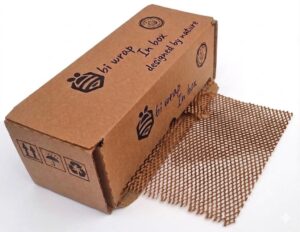
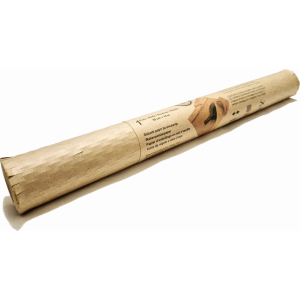
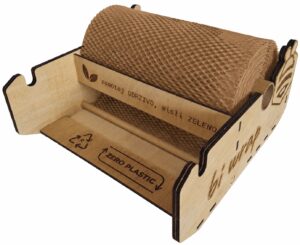
Explore the IDECOPACK range and choose the roll, mini roll, or dispenser setup that fits your workflow.
Tags:

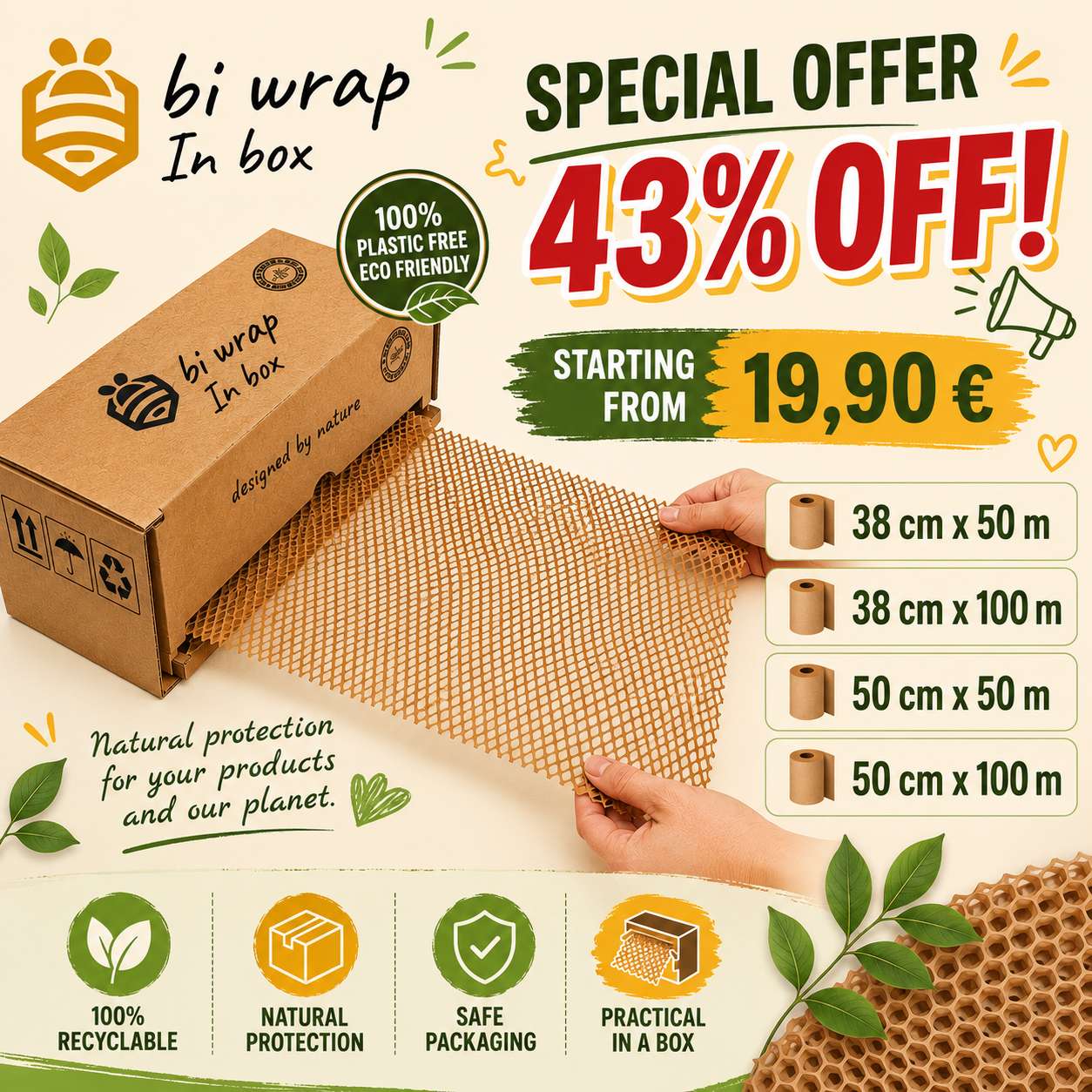
Bi Wrap now 43% off – natural, plastic-free product protection
Protect your products during packing and transport with Bi Wrap In Box…Read more

What the ECG concept teaches us about packaging that sells
The ECG concept works because it keeps one message in focus: packaging…Read more

From roll to result: The practical side of Honeycomb paper
The IDECOPACK product range is built around one clear idea: give customers…Read more